
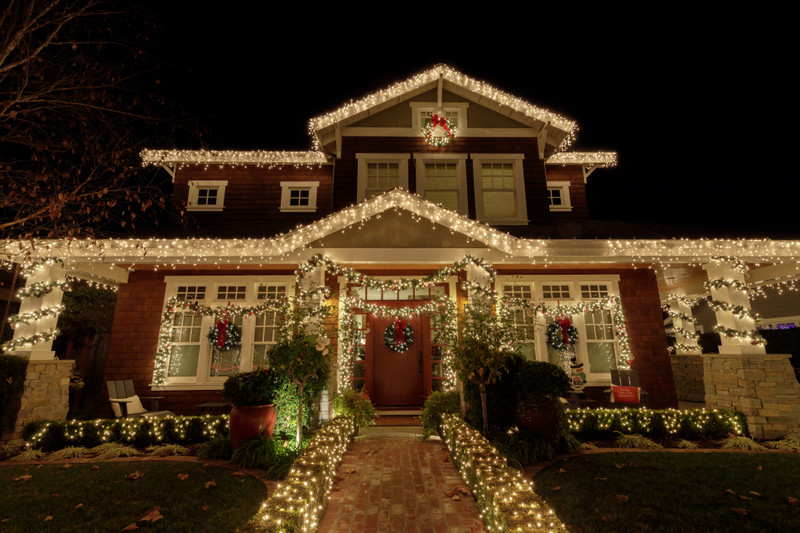
Choosing the correct bulb is not only about brightness. It is about how the light looks in your space, how often you will replace bulbs, and how much you will pay to run them month after month. This guide breaks down what really separates incandescent and LED technology, then walks through the practical differences that matter in daily life, from heat output and durability to dimming behavior and cold-weather performance. We will also address seasonal decorating, since many shoppers compare incandescent vs LED string lights, LED vs incandescent string lights, and incandescent vs LED string tree lights when buying holiday strings. You will learn how to match brightness using lumens, how to spot bulb types quickly, and how to think about long-term value without doing complicated math. By the end, you will have clear takeaways on when LEDs are the smarter everyday choice and when incandescent bulbs can still make sense for specific looks or use cases.
What Is the Difference Between Incandescent and LED Lights?
The core difference between incandescent and LED lights is how each bulb produces light.
An incandescent bulb produces light by heating a thin metal filament inside the glass. Electricity flows through the filament, it resists the current, and that resistance creates heat. When the filament becomes extremely hot, it glows and gives off visible light. Because so much energy becomes heat, incandescent bulbs use more electricity for the same brightness. This is why shoppers comparing incandescent light bulbs vs LED usually notice higher wattage for similar lumen output.
An LED produces light using a semiconductor. When current passes through the diode, it releases energy as photons, which we see as light. The process does not require heating a filament until it glows, so LEDs turn more of the electricity into light rather than heat. That is why LED lights vs incandescent light bulbs typically mean lower wattage, cooler operation, and longer lifespan. In practical terms, incandescent light bulbs vs. LED bulbs often come down to a choice between familiar warmth and simplicity versus lower running costs and fewer replacements.
Incandescent String Lights vs LED String Lights
Choosing between incandescent and LED string lights depends on how and where you plan to use them. Below is a practical comparison focused on decorative settings, commercial installs, and outdoor environments.
Energy Use for Decorative Lighting
Incandescent string lights draw significantly more wattage per bulb, which adds up quickly across patios, event venues, and restaurant installations. LED string lights use a fraction of that power while producing brightness similar to that of incandescent string lights. For long operating hours or large commercial displays, lower energy consumption translates into noticeable reductions in utility costs.
Durability for Outdoor Installations
Incandescent bulbs contain delicate filaments that can break from vibration, wind movement, or handling during setup. LEDs are solid-state components, making them more resistant to shock and frequent installation cycles. In outdoor environments with moisture, temperature shifts, and seasonal storage, LED strings typically provide longer service life.
Aesthetic Differences in String Lighting
Incandescent string lights produce a soft, warm glow that many associate with traditional holiday and patio ambiance. The light feels gentle and nostalgic. LED string lights offer clearer, more consistent illumination, with options ranging from warm tones to bright white and vibrant colors, giving designers more flexibility.
Cost Comparison for Large Installations
Incandescent string lights usually cost less upfront, which may appeal to short-term events or limited budgets. However, LEDs often reduce replacement frequency and electricity expenses over time. For restaurants, wedding venues, and homeowners running large displays nightly, long-term operating savings typically favor LED systems.
Incandescent vs LED Lights- Detailed Comparison Chart
Here is a simple side-by-side comparison of LED vs. incandescent lighting, followed by deeper explanations.
|
Factor |
Incandescent |
LED |
|
Efficiency |
Lower lumens per watt |
Higher lumens per watt |
|
Heat |
Runs very hot |
Runs cooler at the surface (varies by bulb) |
|
Lifespan |
Shorter |
Much longer |
|
Durability |
Filament is fragile |
More resistant to vibration |
|
Upfront cost |
Often lower per bulb |
Often higher per bulb |
|
Long-term cost |
Higher electricity and replacements |
Lower electricity and fewer replacements |
|
Color choices |
Mostly warm tones |
Wide range of color temperatures |
|
Dimming |
Usually smooth |
Depends on bulb and dimmer compatibility |
|
Cold weather |
Works but filament is fragile |
Generally strong in cold |
|
Special features |
Limited |
Smart control, color changing, more form factors |
Brightness (Lumens per Watt)
Watts measure energy use, not brightness. Lumens measure light output. This shift is central to LED light bulbs vs incandescent shopping.
A classic incandescent produces fewer lumens per watt because so much of the electricity is converted to heat. To replace an incandescent you like, match the lumens first, then choose the bulb type based on cost, heat, and light quality. Once you shop by lumens, LED light vs incandescent light becomes a straightforward efficiency comparison.
Light Quality and Color Rendering
Incandescent light is often described as warm and natural. The glowing filament produces a spectrum many people find flattering in living rooms, bedrooms, and dining spaces.
LED quality depends on the bulb design. Modern LEDs can provide warm tones and strong color rendering, but cheaper models may look dull, overly cool, or uneven. When people say LEDs look “harsh,” they often bought the wrong color temperature or a low-quality bulb. If light appearance is a priority in incandescent vs LED lights decisions, focus on color temperature and CRI. High CRI LEDs and warm color temperatures can look very close to incandescent in most homes.
Lifespan and Durability
Lifespan is one of the most significant differences between incandescent and LED lights. Incandescent bulbs tend to fail when the filament breaks or burns out. That filament is sensitive to vibration and frequent switching.
LEDs have no filament, so they handle vibration better and generally last far longer. LEDs can still fail early if the electronics are poor or the bulb runs too hot in a tight enclosure, but in daily use, they typically outlast incandescents by a wide margin. For hard-to-reach fixtures, incandescent light bulbs vs. LED nearly always favor LED because fewer replacements are a real quality-of-life gain.
Upfront Cost vs Long-Term Value
Incandescent bulbs often cost less at checkout. LEDs often cost more, especially in specialty shapes or premium versions.
Long-term value usually flips the decision. LEDs use less electricity and last longer, hence, lifetime costs tend to be lower. That is why LED lights vs incandescent light bulbs frequently becomes an ROI question. If a light runs for hours every day, the savings show up sooner. If a bulb is used rarely, the payback period is longer, and a preference for light appearance may matter more.
Energy Efficiency and Heat Emission
Heat is the hidden cost of incandescents. The filament must get hot to glow, and that heat radiates into the room. In warm climates, it can add to cooling load, and in small fixtures, it can raise safety concerns.
LEDs generally run cooler and waste less energy as heat, which is why incandescent lights vs LED typically favors LED for high-use areas like kitchens, living rooms, and outdoor porch lights. Less heat also matters for seasonal décor and enclosed fixtures, where hot bulbs are not ideal.
Safety Considerations
Safety is partly about heat, partly about proper fixture ratings.
Incandescents can be a higher risk near fabric, decorations, or in fixtures where people accidentally install higher wattage than the fixture allows. Hot bulbs can also burn skin if touched soon after use.
LEDs are usually safer at the surface because they run cooler, but not every LED is automatically secure. Poor-quality LEDs can overheat internally, especially in enclosed fixtures not rated for LED use. The safest approach is to match bulb type, base, and rated wattage equivalents to the fixture requirements and buy from reputable sellers. In general, LED light vs incandescent light favors LED for heat-related safety in everyday household use.
Performance in Cold Conditions
LEDs usually perform well in cold weather and often maintain efficiency. Incandescents work in the cold, too, but the filament remains a fragility point, and cold-to-hot cycling can be more challenging on them.
For outdoor décor, cold-weather reliability is one reason people compare incandescent string lights vs LED. LED strings are typically a reliable choice for outdoor use when rated for outdoor use. They also draw less power, which matters when you plug in many sets at once.
Design Flexibility and Form Factors
Incandescent bulbs come in many familiar shapes, but LEDs now cover nearly all of them and more. LEDs also enable designs that are difficult for incandescent technology, such as ultra-thin panels, integrated fixtures, strip lighting, smart bulbs, and color-changing effects.
This flexibility is a key reason LED lights vs incandescent lights is no longer only about swapping a bulb. It is also about what lighting features you want in your home. If you wish to app control, scheduling, or multiple color scenes, LEDs are the practical option.
Warm-Up and Instant On
Incandescents turn on instantly. Most LEDs also turn on instantly, though specific designs can have a slight delay depending on internal electronics.
In daily use, both feel immediate. For motion sensors and frequent switching, LEDs tend to handle repeated on/off cycles well, which supports the case for LED lights vs incandescent in closets, hallways, and outdoor security fixtures.
Color Temperature Options
Incandescent bulbs are naturally warm. LED bulbs come in a wide range from warm to daylight, plus specialty options.
For holiday décor, color temperature is often the main reason people debate LED string lights vs incandescent. Some prefer the classic warm glow of older strings, while others like the crisp and cooler LEDs. Select warm-white LED sets designed to mimic incandescent tones. This is especially useful when shopping for string lights, LED vs incandescent comparisons, because “LED” alone does not tell you what the light will look like.
Monthly and Annual Savings Breakdown
Savings depend on three thing:- how many lights you have, how many hours they run, and your electricity rate. The longer a light stays on, the more LED savings matter.
In a high-use room, switching from incandescent to LED lighting can noticeably reduce ongoing electricity use. Over a year, even moderate daily usage can add up. Holiday displays can magnify the difference because people run many strings at once. That is why phrases like string lights incandescent vs LED, LED vs incandescent string lights, and incandescent vs LED string tree lights show up so often. If your display is large, LEDs usually cut costs and reduce heat around trees and garlands.
How to Identify Incandescent vs LED Bulbs
The easiest method is to check the label on the bulb or its packaging. It should state whether it's LED or incandescent, and list the wattage and lumens.
You can also use visual cues. Incandescents often show a filament inside. Many LEDs have a diffuser dome or visible internal structures, though some “filament-style” LEDs look similar to incandescents, so labeling remains the best option.
Heat is another clue. After a few minutes on, incandescents become very hot. LEDs usually stay cooler, though the base can still feel warm. If you are comparing LED light bulbs vs incandescent light bulbs, rely on lumens to match brightness, and use the stated wattage to estimate energy use.
Which Is Better, Incandescent or LED? Final Takeaways
For most households, LED is the better everyday choice. It uses less electricity, lasts longer, and offers more brightness and color options. That is why so many guides end up favoring LEDs over incandescent lights in comparisons.
Incandescent bulbs can still make sense in a few situations. Some people prefer the exact warmth and feel of incandescent light, especially in spaces where mood matters more than operating cost. Incandescent can also be helpful where lights are used briefly and rarely, because the efficiency savings may be small. Still, for most general lighting, incandescent vs. LED tend to favor LED for comfort, cost, and convenience.
For seasonal décor, the “better” choice often depends on the look. Many choose LEDs for efficiency and cooler operation, while others choose incandescents for the classic glow. This is why you see repeated comparisons such as incandescent vs LED string lights, LED vs incandescent string tree lights, and incandescent string lights vs LED in holiday shopping searches.
Commercial Upgrades- Why Businesses Should Go LED
Businesses often see faster payback because lights run longer and there are more fixtures. Lower energy use reduces operating costs, and a longer lifespan reduces labor and disruptions from replacements. LEDs also help standardize brightness and color across larger spaces, which can matter in offices, retail, and warehouses. In most commercial environments, LED lights vs incandescent lights is a practical decision- fewer replacements, lower bills, and more consistent lighting across the building.
Environmental Impact and Regulatory Trends
Lower energy use generally reduces overall demand on the power grid. Over time, this can support lower emissions depending on local electricity generation. Many regions have also moved toward higher-efficiency lighting standards, which has shifted availability and pushed more consumers toward LED options.
Holiday lighting reflects the same shift. Many households now choose LEDs for displays because they run cooler and use less power, which feeds ongoing comparisons like LED vs incandescent string lights and LED string lights vs incandescent.
Frequently Asked Questions (FAQs)
1. Are Incandescent and LED Lights the Same?
No. Incandescent bulbs use a heated filament to produce light. LEDs use semiconductor technology to produce light with much less wasted heat. The differences affect efficiency, lifespan, and operating costs, which is why comparisons of incandescent vs. LED lights are so common.
2. What Is an Incandescent Light Bulb?
It is a traditional bulb with a metal filament inside a glass envelope. Electricity heats the filament until it glows. This is the key concept behind comparisons between incandescent light bulbs and LEDs, because the filament method generates significant heat and consumes more energy for the same brightness.
3. Are LED Lights Better Than Incandescent?
In most everyday uses, yes. LEDs usually last longer and cost less to run. The main trade-offs are a higher upfront price for some bulbs and the need to choose the right color temperature and quality level to get the look you want. If you value longevity and lower energy use, incandescent light bulbs vs LED tend to favor LEDs.
4. How Many LEDs Equal a 60W Incandescent?
Compare lumens, not watts. A “60W equivalent” LED is labeled by brightness output. When choosing LED light vs incandescent replacements, match the lumens you like, then select the LED that provides that brightness with lower wattage.
5. What Are the Downsides of LED Lights?
The most common downsides include a higher initial cost for some bulbs, possible dimmer compatibility issues, and inconsistent light quality among low-end options. Choosing a good-quality bulb with the right color temperature reduces most complaints, which is why LED vs. incandescent often comes down to selecting the right LED, not just choosing an LED.
6. Does Anyone Still Use Incandescent Bulbs?
Yes. Some people keep them for a specific warm look, certain fixtures, or personal preference. Many also use them in low-use areas where the savings from LED might be small. Still, the overall trend favors LEDs, as reflected in searches like LED lights vs incandescent and incandescent light bulbs vs LED.
7. Why Do Some People Prefer Incandescent Bulbs?
Most preferences come down to the light’s warmth and familiar feel, plus smooth dimming in older fixtures. For décor, many also like the classic look of traditional strings, which keeps holiday comparisons alive, including incandescent vs LED string lights, incandescent vs LED string tree lights, and LED vs incandescent string lights.
Wrapping Up
In most homes, switching to LEDs delivers the best mix of lower running costs, cooler operation, and fewer replacements, while still offering warm, comfortable light when you choose the correct bulb.
If you are shopping for holiday lighting and want dependable sets in the style you like, check out 612 Vermont and pick the option that matches your decorating style and how long you plan to run your display.